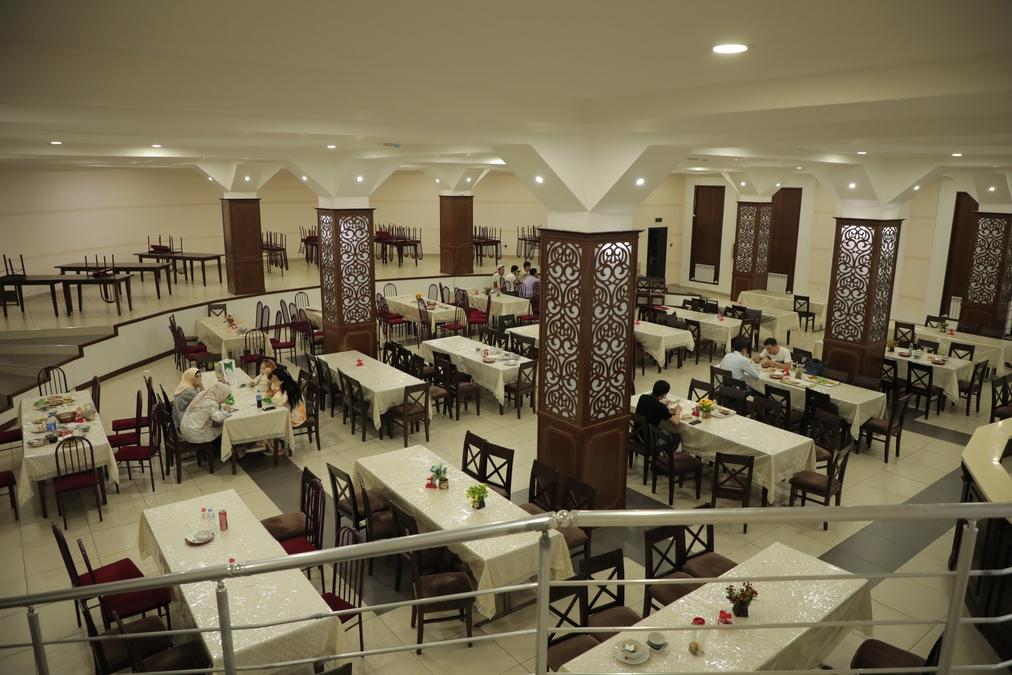
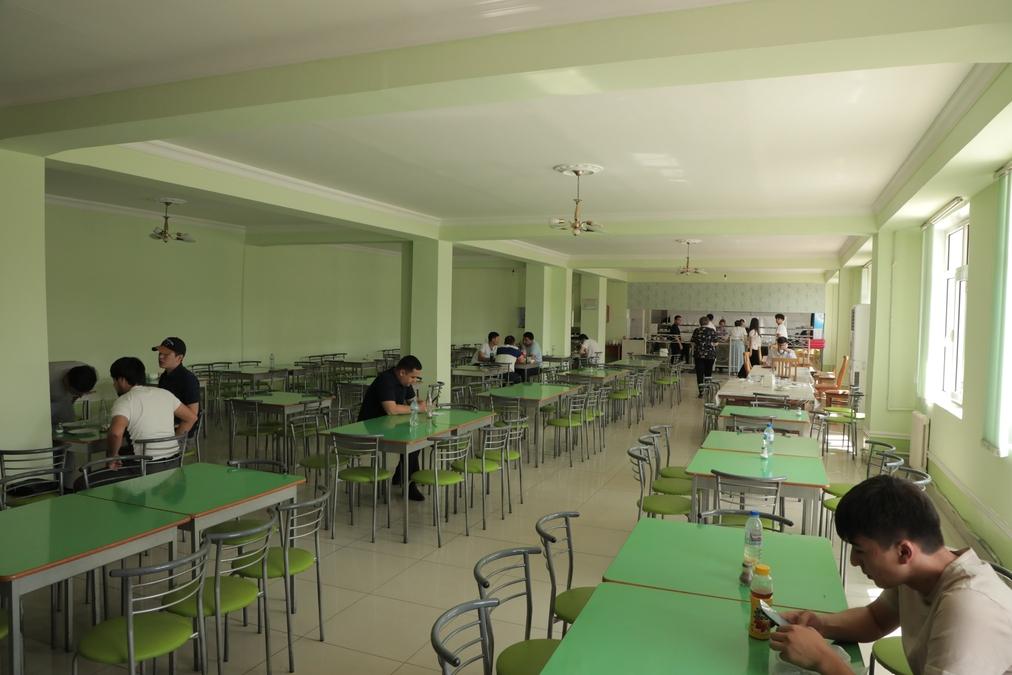
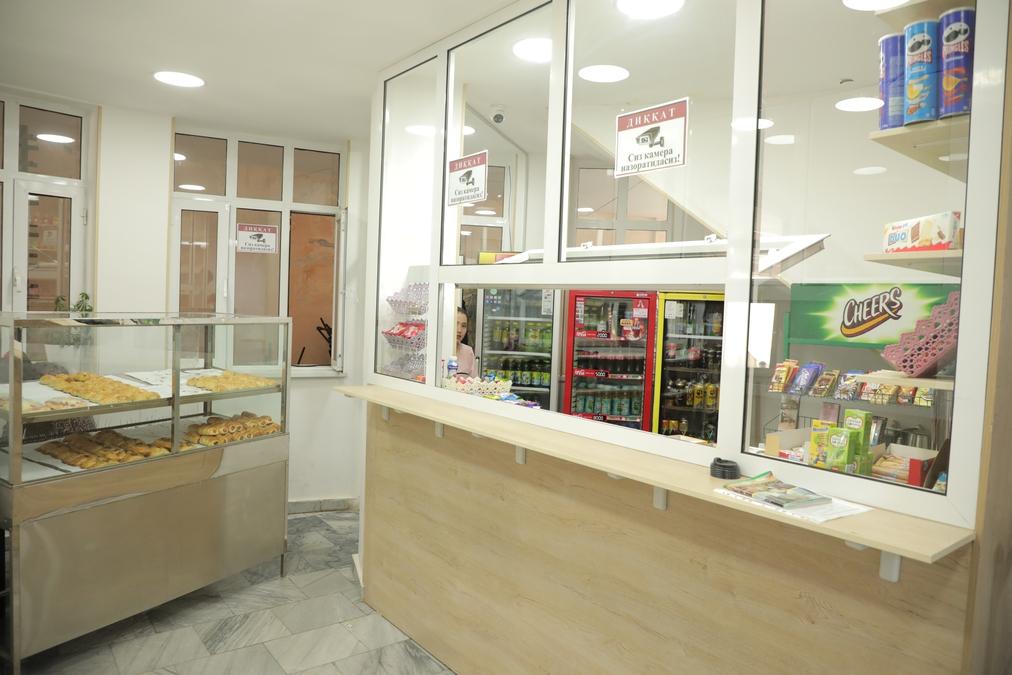
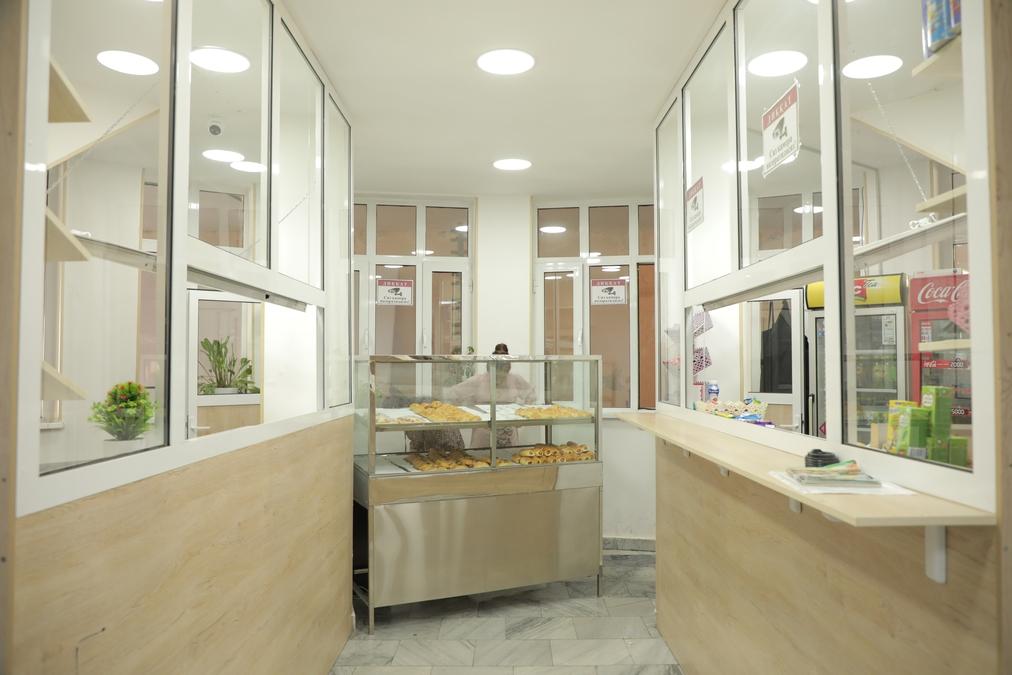
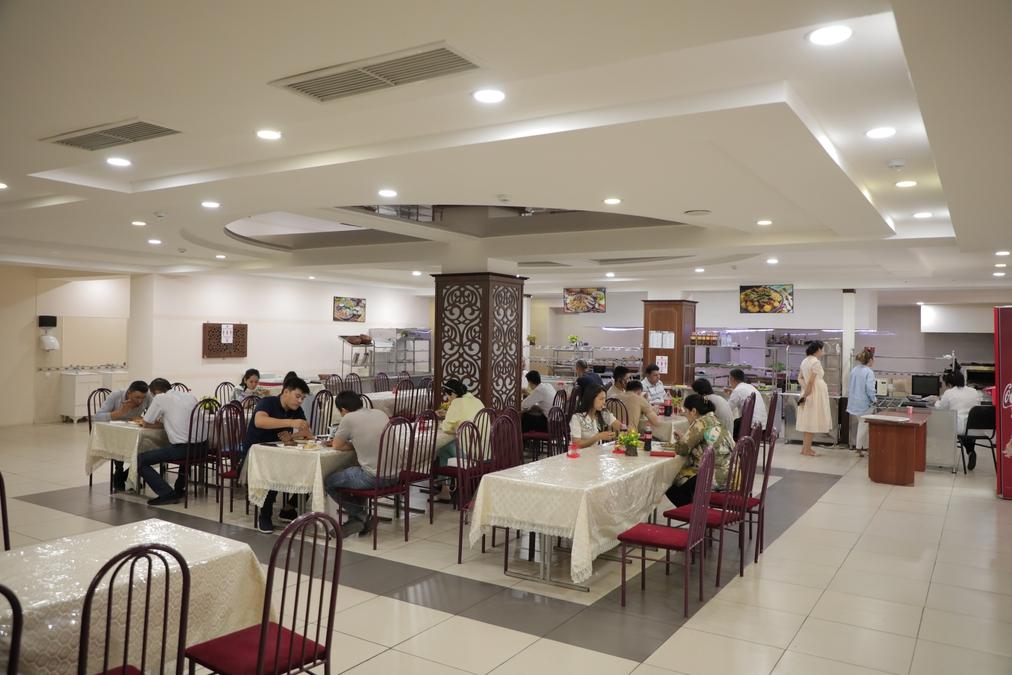
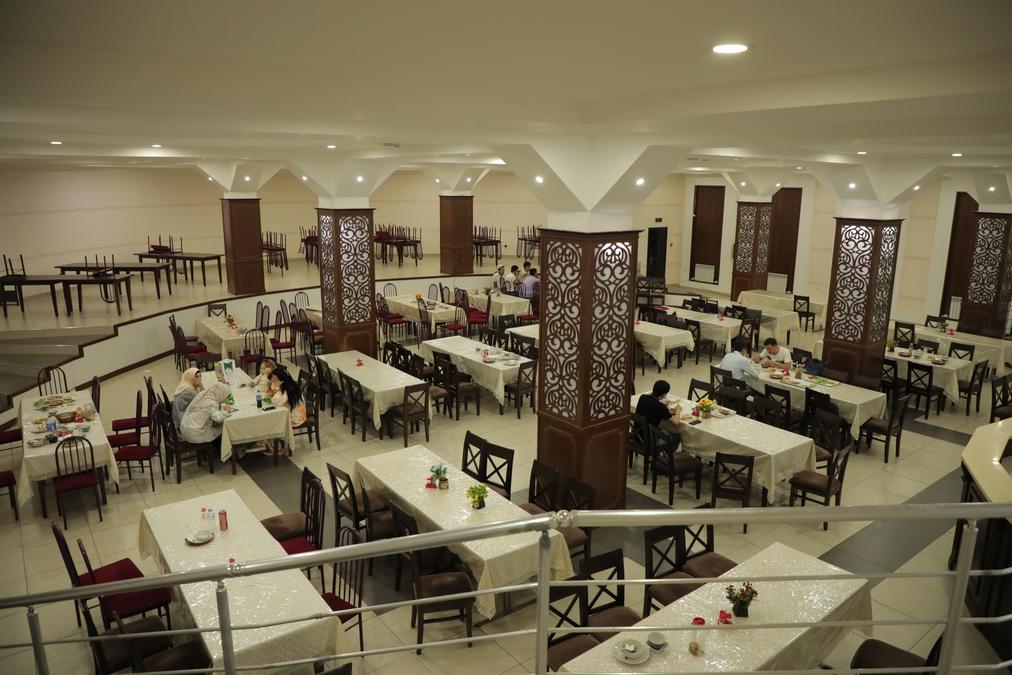
The quality, variety, quantity, pricing, and storage conditions of the food prepared in the general food service outlets of the university, as well as the improvement of sanitation and hygiene, monitoring, and service provided to professors, lecturers, staff, and students, were supervised and monitored by a committee composed of university and town association members. Their activities are continuously monitored.
Cafeterias at the Tashkent State University of Economics are not only focused on providing nourishment but also on creating a pleasant and comfortable dining experience for the university community. In addition to the activities mentioned in the original text, here are some additional details about the cafeteria facilities and their services:
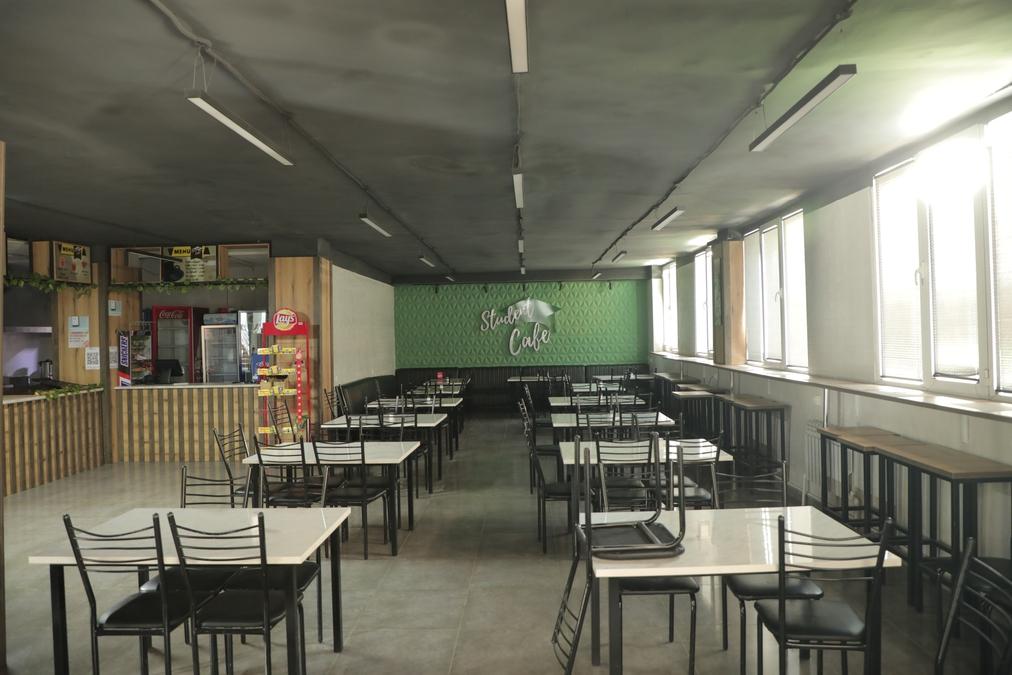
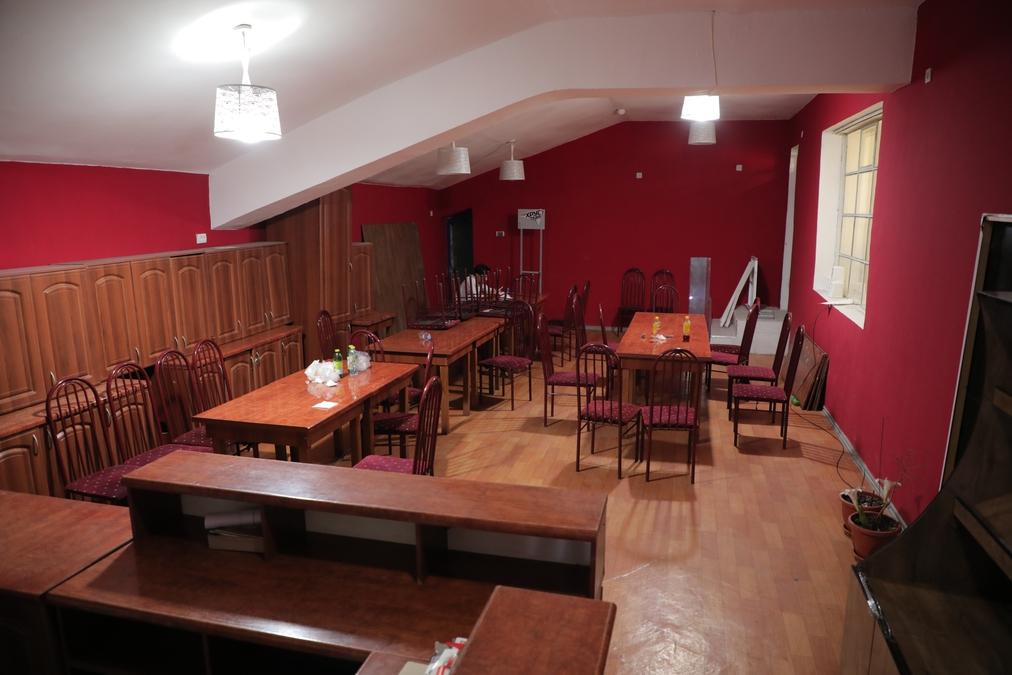
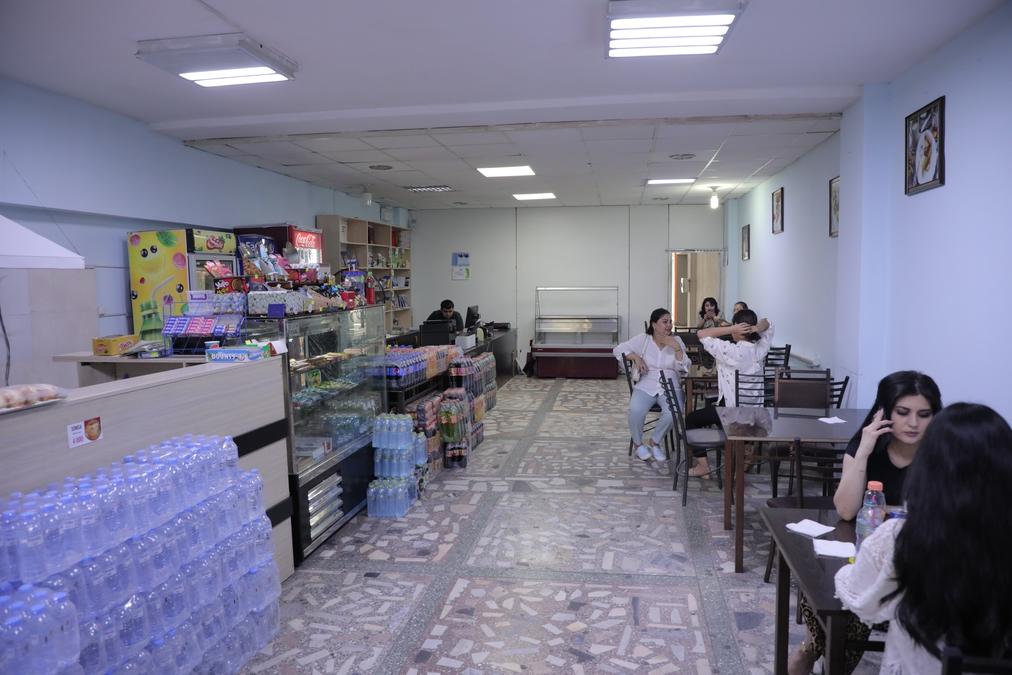
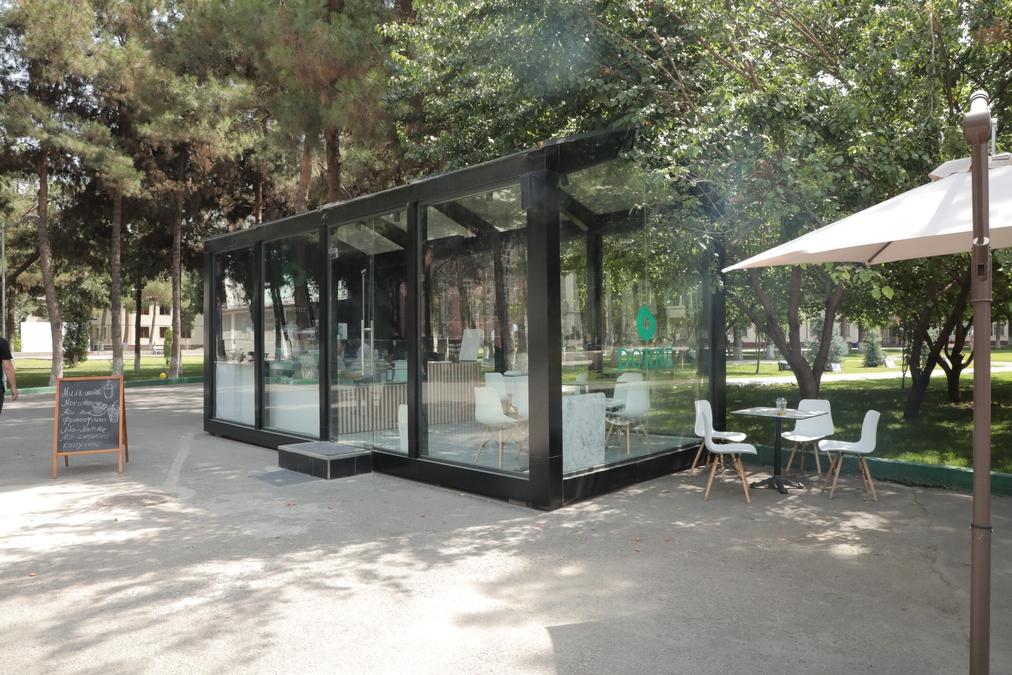
Dining Environment: The university recognizes the importance of creating an inviting atmosphere for students, faculty, and staff to enjoy their meals. The cafeteria spaces are designed to be clean, well-lit, and spacious, providing a welcoming environment for dining and socializing. Comfortable seating arrangements are available, accommodating individuals and groups.
Menu Variety: The cafeteria menus are carefully curated to offer a wide range of choices to cater to different tastes and dietary preferences. The selection includes a variety of main courses, side dishes, salads, sandwiches, snacks, desserts, and beverages. Special attention is given to providing options for vegetarians, vegans, and individuals with specific dietary restrictions or allergies.
Nutritional Balance: The university prioritizes the nutritional value of the meals served in the cafeterias. The menu planning takes into consideration the recommended daily nutrient intake, aiming to provide balanced meals that contribute to the overall well-being of the students, faculty, and staff. Emphasis is placed on incorporating fresh ingredients, whole grains, lean proteins, and a variety of fruits and vegetables.
Promotion of Healthy Eating: The university actively promotes healthy eating habits among the university community. Information regarding the nutritional content, ingredients, and potential allergens of the dishes is provided to help individuals make informed food choices. Educational materials, such as posters and brochures, are displayed to raise awareness about the importance of balanced nutrition and encourage healthy eating habits.
Special Dietary Needs: The cafeteria staff is trained to accommodate special dietary needs and requests. They are equipped to handle specific dietary requirements and provide suitable alternatives or modifications to the menu items upon request. This ensures that students, faculty, and staff with dietary restrictions or food allergies can find suitable options and enjoy their meals without compromising their health.
Food Safety and Hygiene: The university maintains a strong focus on food safety and hygiene practices within the cafeteria facilities. The kitchen and food preparation areas are regularly inspected to ensure compliance with sanitation standards. The cafeteria staff receives training on proper food handling, hygiene, and safety protocols, including temperature control, storage practices, and cleanliness. Regular cleaning and disinfection procedures are implemented to maintain a safe and hygienic environment.
Sustainability Initiatives: The university is committed to promoting sustainable practices within its cafeterias. Efforts are made to reduce food waste by implementing portion control measures and encouraging students and staff to take only what they need. Environmentally friendly practices, such as the use of eco-friendly packaging, recycling programs, and energy-efficient equipment, are also incorporated into the cafeteria operations.
Collaboration with Local Suppliers: The university strives to support local businesses and suppliers by sourcing ingredients from local farmers and vendors whenever possible. This not only promotes the local economy but also ensures the freshness and quality of the food served in the cafeterias.
By focusing on these additional aspects, the Tashkent State University of Economics aims to provide a holistic and enriching dining experience that goes beyond mere sustenance, contributing to the overall well-being and satisfaction of the university community.
Department Contact Info
"Department of Economic Statistics" 100066, 49 Islam Karimov Street, Tashkent